September 23, 2026
When planning a demolition or excavation project, choosing the right contractor can have a significant impact on the process from start to finish. These projects often involve heavy equipment, changing site conditions, permits, utility considerations and strict safety requirements. Taking time to ask thoughtful questions before work begins can help you understand what a contractor offers and what to expect throughout the project.
The demolition and excavation industry also represents a substantial and growing market. According to The Business Research Company, the global demolition and excavation market is projected to increase from $539.7 billion in 2025 to $552.8 billion in 2026, representing a compound annual growth rate of 2.4%. With extensive activity in the industry, property owners still need to distinguish between contractors based on their experience, practices and approach to individual projects.
Ask About Experience With Similar Projects
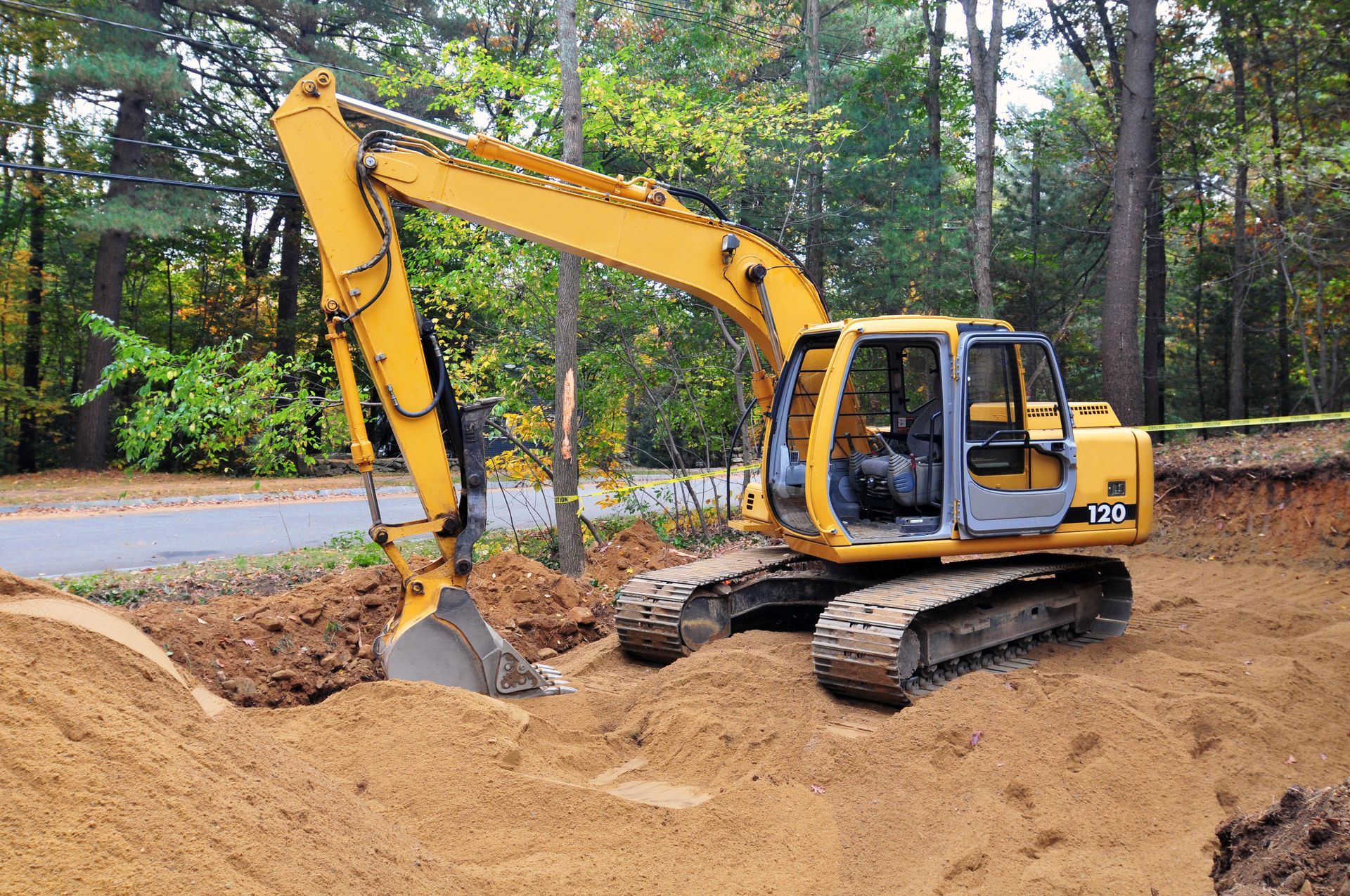
One of the first questions to ask an excavating company is whether it has completed projects similar to yours. Excavation and demolition can vary considerably depending on the property, structures involved, soil conditions, accessibility, and scope of work. Experience with a comparable project can provide useful insight into whether the contractor is familiar with the challenges your site may present.
Ask about the types of projects the company regularly handles. For example, residential demolition may require a different approach than commercial structure removal, while excavation for a new foundation differs from grading or site preparation. You can also ask how long the company has been operating and whether its equipment and personnel are suited to the work involved.
It is also useful to describe your project in as much detail as possible when asking about experience. A reputable excavating company should be willing to discuss how it would approach the specific conditions rather than simply providing a general statement about its capabilities.
Request References And Examples Of Past Work
Another valuable question is whether the excavating company can provide references or examples of completed projects. Looking at previous work can give you a better understanding of the contractor's capabilities and the types of projects it has handled.
If references are available, consider asking previous customers about their overall experience. You might ask whether the work was completed according to the agreed-upon scope, whether communication was consistent and whether unexpected costs or delays were handled appropriately.
Photos or a portfolio can also provide useful context. While images cannot tell you everything about a contractor's performance, they can demonstrate experience with particular types of demolition, excavation, grading or site preparation.
Rather than relying solely on advertising claims, reviewing examples of previous work allows you to gather additional information before making a hiring decision. A contractor that is accustomed to similar projects should generally be able to explain its previous experience clearly.
Ask About Safety Procedures
Demolition and excavation can involve substantial hazards, making safety an important subject to discuss before hiring a contractor. Ask the company what procedures it follows to protect workers, visitors, neighboring properties and existing structures.
A demolition and excavation company should be prepared to explain its general approach to job-site safety. Depending on the project, this may include equipment inspections, protective equipment, site access controls, hazard identification, and procedures for working around existing structures or utilities.
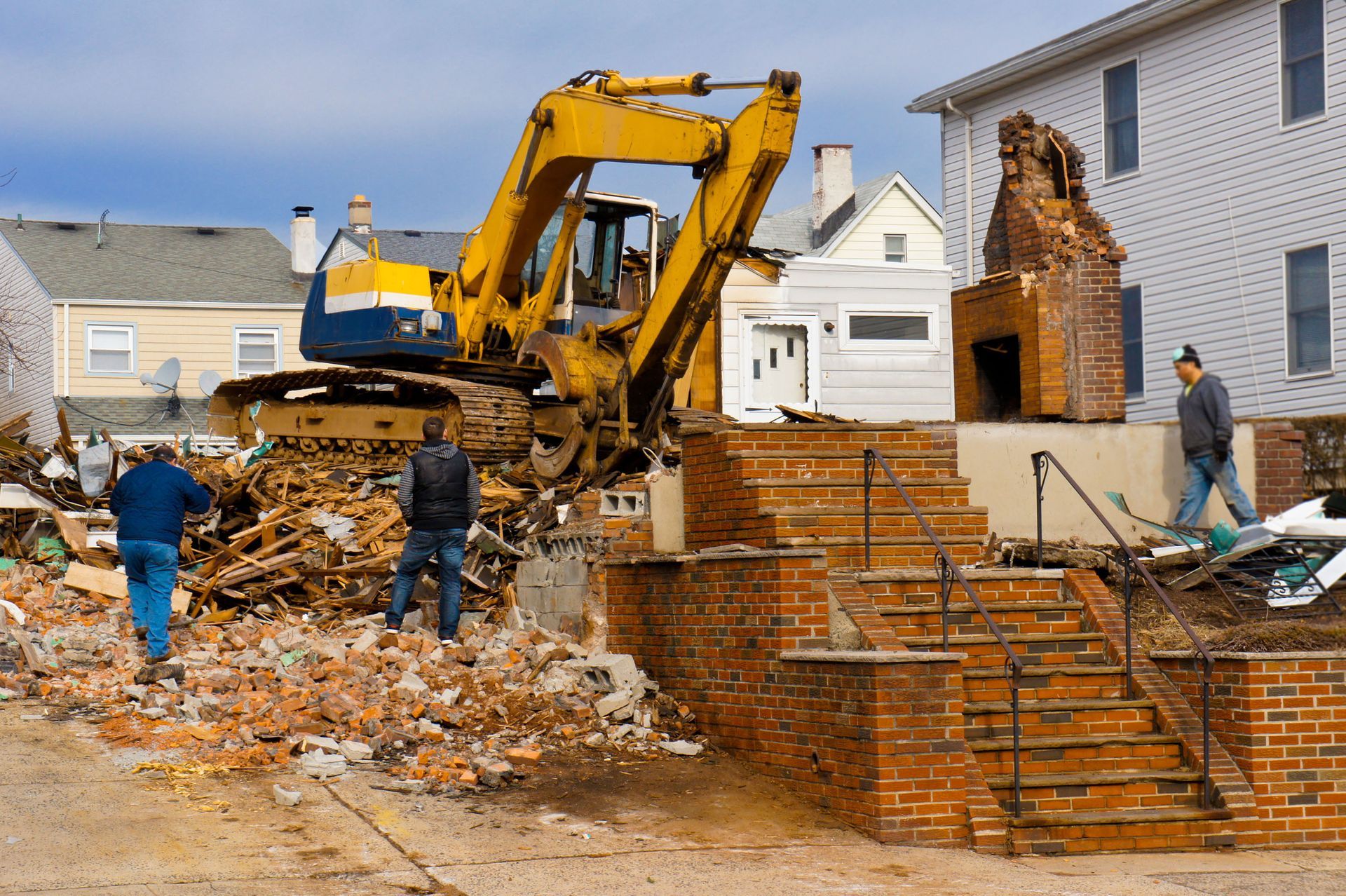
You can also ask who is responsible for supervising the work and how safety concerns are communicated among the crew. If the project involves demolition, ask how the contractor plans to control debris and manage the structure as it is dismantled. Excavation projects may raise additional concerns involving underground utilities, unstable soil, trenches and equipment operation.
These conversations can help you understand whether safety is being treated as an integral part of project planning rather than an afterthought.
Discuss Permits And Local Regulations
Permits and regulations can affect both demolition and excavation projects, so it is important to understand who will handle the necessary requirements. Ask a potential excavating company which permits may be required for your particular project and whether the company assists with obtaining them.
Requirements can vary based on the location, property, and type of work being performed. Demolition may involve rules concerning structure removal, debris disposal, or environmental considerations. Excavation can involve requirements related to grading, drainage, erosion control, utilities, or property development.
You should also ask whether the contractor will coordinate with utility companies or other relevant parties when necessary. Before excavation begins, identifying underground utilities can be particularly important.
Clarifying these responsibilities in advance can reduce confusion about who is responsible for each step. It can also help prevent situations where work has to stop because an expected permit, inspection or other requirement was overlooked.
Clarify The Timeline And Cost Estimate
Before signing an agreement, ask how the contractor develops its project timeline and estimate. An excavating company should be able to explain what factors could affect both the cost and duration of the work.
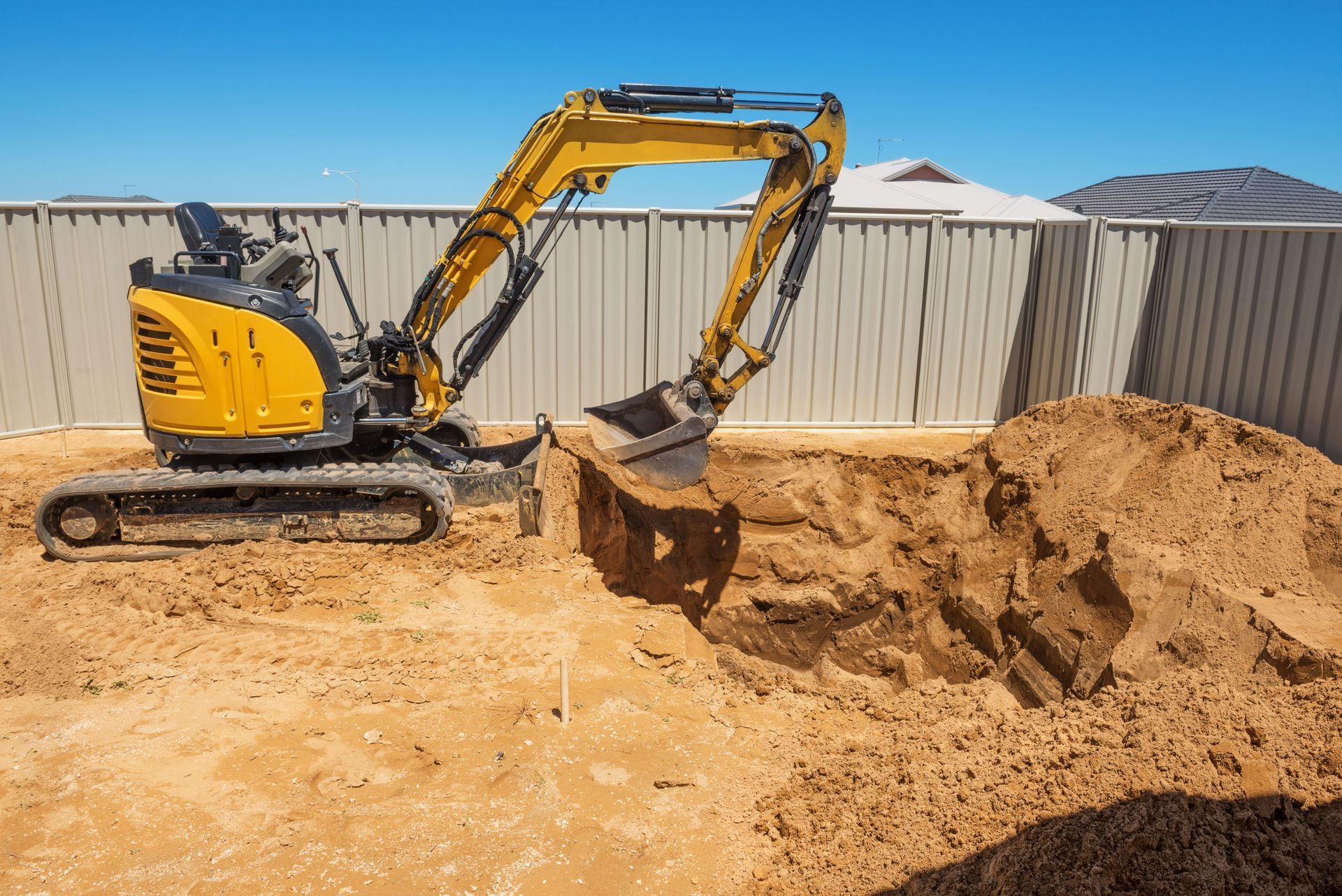
For demolition, factors might include the size and construction of the structure, accessibility, debris handling, and disposal requirements. Excavation costs can be influenced by soil conditions, the amount of material being removed or moved, site accessibility, equipment requirements, and the overall scope of preparation.
Ask whether the estimate includes equipment, labor, transportation, disposal, and other expected expenses. You should also ask how the company handles unforeseen conditions. For example, buried materials, unexpected soil conditions, or previously unidentified site obstacles can potentially change the scope of work.
A clear discussion about these possibilities can make the estimate easier to understand. It also gives you an opportunity to ask questions about anything that seems unclear before work begins.
Ask How Communication Will Be Handled
Communication is another practical consideration that should be discussed before hiring an excavating company. Ask who your primary point of contact will be and how updates will be provided during the project.
Heavy equipment work can change quickly when site conditions differ from expectations. Establishing a communication process ahead of time can make it easier to address questions, scheduling changes or unexpected discoveries.
You may also want to ask how the company communicates changes to the project scope or price. Understanding when you will be contacted and what information will be provided can help prevent misunderstandings.
Good communication does not necessarily mean constant updates, but you should know how to reach the contractor when an important question arises and how significant developments will be handled.
Review The Project Scope Carefully
Before work starts, ask the excavating company to explain exactly what is included in the proposed scope. This can be particularly important when demolition and excavation are being performed as part of a larger construction or property improvement project.
For demolition, determine whether the scope includes complete structure removal, foundation removal, debris hauling, and site cleanup. For excavation, clarify whether the work includes digging, grading, material removal, backfilling, compaction or other site preparation.
It is also worth asking what is specifically excluded. Knowing what the contractor does not include can be just as important as understanding what it does. A detailed scope provides a clearer basis for comparing estimates and planning the rest of your project.
Make An Informed Choice
Hiring a demolition or excavation contractor is an important project decision, and asking the right questions can provide useful information before work begins. Experience, references, safety procedures, permitting responsibilities, pricing, timelines, communication, and project scope can all help you understand what a contractor brings to the job.
A qualified
excavating company should be willing to discuss these subjects and explain how its services apply to your particular project. Taking time to have these conversations can help establish realistic expectations and create a clearer working relationship from the beginning. With the right questions, property owners can approach demolition and excavation projects with greater clarity about the work ahead. If you're looking for a reliable excavation contractor, reach out to the team at Foote Excavating & Demolition today!